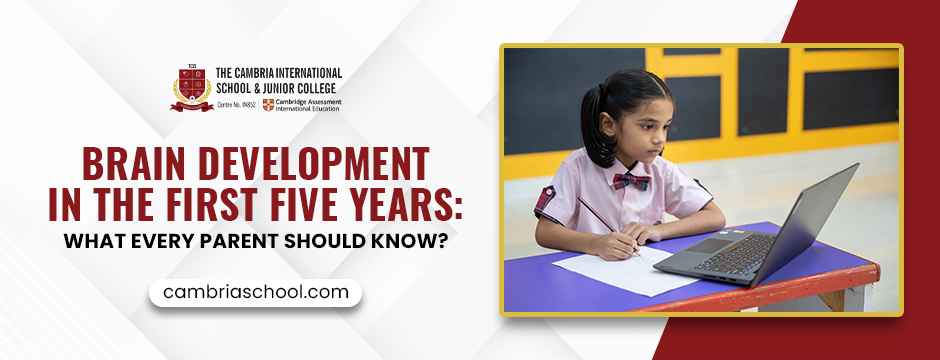
Brain Development in the First Five Years: What Every Parent Should Know?
The first five years of a child’s life are often described as the most important years for brain development—and for good reason. During this period, the brain grows at an extraordinary rate, forming millions of neural connections that shape learning, behaviour, emotions, communication, and future success.
Research shows that a child’s brain develops faster during these early years than at any other stage of life, making everyday experiences incredibly influential. Parents play a vital role in nurturing this development through love, interaction, nutrition, and learning opportunities. Understanding how the brain develops can help parents and the best nursery schools in Kalyan West create the best possible foundation for their child’s future.
Why the First Five Years Matter So Much?
A newborn enters the world with billions of brain cells, but the real magic happens when these cells connect. These connections, called synapses, form rapidly during infancy and early childhood. In fact, scientists estimate that more than one million neural connections can be created every second during the earliest years of life. By age five, a child’s brain reaches approximately 90% of its adult size.
These early connections build the foundation for:
- Language and communication
- Memory and learning
- Emotional regulation
- Social skills
- Problem-solving abilities
- Physical coordination
The experiences children have during these years influence which connections become stronger and which fade away over time.
The Science Behind Early Brain Development
Brain development follows a process often described as “serve and return.” When a baby cries, smiles, babbles, or points, they are “serving” a signal. When a parent responds with attention, words, touch, or affection, they are “returning” that signal. These interactions strengthen neural pathways and support healthy cognitive and emotional growth.
Everyday activities such as talking, singing, reading, and playing help strengthen these pathways. The more positive interactions a child experiences, the stronger their brain architecture becomes. This means that even simple moments—like making eye contact during feeding or reading a bedtime story—have a significant impact on brain development.
Key Areas of Brain Development in Early Childhood
Language Development
Language begins long before a child speaks their first word. Babies start learning language by listening to voices, observing facial expressions, and hearing sounds around them. Frequent conversations, storytelling, and reading help children develop vocabulary and communication skills.
Children who are exposed to rich language environments often develop stronger literacy and communication abilities later in life. Regular interaction encourages children to understand words, express emotions, and engage confidently with others.
Cognitive Development
Cognitive development includes thinking, reasoning, remembering, and problem-solving. Young children learn through exploration and curiosity. Every object they touch, sound they hear, and experience they encounter contributes to their understanding of the world.
Activities like puzzles, building blocks, sensory play, and imaginative games stimulate cognitive growth. Encouraging questions and exploration helps children develop critical thinking skills that support lifelong learning.
Emotional Development
The ability to understand and manage emotions begins in early childhood. Children learn emotional regulation by observing the adults around them and experiencing secure relationships.
When parents respond consistently and lovingly, children develop a sense of trust and security. This emotional foundation helps them build confidence, resilience, and healthy relationships throughout life.
Social Development
Social skills emerge through interactions with family members, caregivers, and peers. Sharing, cooperation, empathy, and communication are all learned through experience.
Playgroups, preschool activities, and family interactions provide opportunities for children to practice these skills. Positive social experiences help children feel connected and prepare them for future academic and personal success.
The Role of Nutrition in Brain Growth
A developing brain requires proper nutrition to function optimally. Essential nutrients such as protein, iron, zinc, iodine, and healthy fats support brain structure and function. Breastfeeding, balanced meals, fruits, vegetables, whole grains, and adequate hydration contribute to healthy brain development. Poor nutrition during early childhood can affect attention, learning, and overall cognitive growth.
Parents should also encourage healthy eating habits from an early age, as these habits often continue into adulthood.
The Impact of Play on Brain Development
Play is often called the work of childhood because it is one of the most effective ways children learn. Through play, children develop creativity, problem-solving abilities, language skills, and social competence.
Different types of play support different aspects of development:
- Physical play strengthens motor skills.
- Pretend play encourages creativity and emotional understanding.
- Puzzle and construction play improve reasoning skills.
- Social play teaches cooperation and communication.
Unstructured play allows children to explore freely and build independence while developing important cognitive skills.
Protecting Children from Toxic Stress
Not all experiences support healthy brain development. Chronic exposure to stress, neglect, violence, or instability can negatively affect the developing brain.
Toxic stress can interfere with neural connections responsible for learning, emotional regulation, and behaviour. Children exposed to prolonged stress may face challenges in the nursery schools in Kalyan West, relationships, and mental health later in life.
Parents can help protect children by providing:
- Stable routines
- Emotional support
- Safe environments
- Positive relationships
- Open communication
Even when challenges arise, supportive adults can help children build resilience and recover from stressful experiences.
Practical Ways Parents Can Support Brain Development
Parents do not need expensive programs or advanced educational tools to support their child’s brain growth. Simple daily interactions are often the most powerful.
Here are some effective strategies:
- Talk to your child frequently.
- Read together every day.
- Sing songs and nursery rhymes.
- Encourage exploration and curiosity.
- Provide opportunities for active play.
- Limit excessive screen time.
- Establish consistent routines.
- Offer affection and emotional support.
- Celebrate effort rather than perfection.
- Create a safe and nurturing home environment.
These small actions, repeated consistently, contribute significantly to healthy brain development.
Final Thoughts
The first five years represent an extraordinary period of growth, learning, and opportunity. During this time, the brain forms the foundation for future academic achievement, emotional well-being, social skills, and lifelong success. By providing nurturing relationships, stimulating experiences, healthy nutrition, and supportive environments, parents, along with the nursery schools in Kalyan West can help their children reach their fullest potential.
For families seeking an educational environment that supports holistic child development, early learning excellence, and a strong foundation for future success, visit The Cambria International School and discover how quality education can help young minds thrive.