
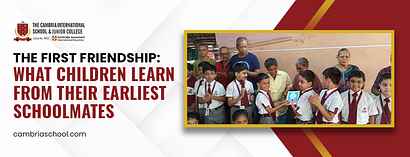
The First Friendship: What Children Learn From Their Earliest Schoolmates
A child’s first friendships are often formed in the classroom, on the playground, or during a shared activity at the nursery schools in Kalyan West. These early connections may seem simple, but they play an important role in shaping a child’s personality, emotional growth, and social skills. From sharing toys to comforting a classmate, children discover valuable lessons through everyday interactions with their schoolmates.
Their first friendships teach them how to communicate, cooperate, resolve disagreements, and understand different feelings. These experiences also help children develop confidence and a sense of belonging. Understanding the value of early friendships can help parents and educators create supportive environments where children feel encouraged to connect with others.
Learning to Share and Take Turns
One of the earliest lessons children learn through friendship is the importance of sharing. At a young age, children naturally focus on their own needs and preferences. However, spending time with classmates introduces them to the idea that other people have feelings, interests, and expectations, too. For example, two children may want to play with the same toy or use the same colours during an art activity. With gentle guidance, they learn to take turns, share resources, and find solutions that make playtime enjoyable for everyone.
These small experiences build patience and cooperation. Over time, children begin to understand that friendship is not about always getting what they want. Instead, it involves respecting others and enjoying experiences together.
Developing Communication Skills
Friendship gives children regular opportunities to express themselves and understand others. Simple conversations during lunch breaks, classroom activities, and outdoor games help them practise speaking, listening, and responding appropriately. Children learn to introduce themselves, ask questions, express preferences, and explain their feelings. They also discover that communication involves listening carefully rather than simply waiting for their turn to speak.
For instance, a child may tell a classmate why they enjoy a particular game. The classmate might suggest a different activity, encouraging both children to exchange ideas and make decisions together. These interactions gradually strengthen language development and conversational confidence. Children also become more comfortable approaching new people, expressing their needs, and participating in group discussions.
Understanding Empathy and Kindness
One of the most meaningful lessons children learn from their earliest schoolmates is empathy. They begin to recognise that other people experience happiness, sadness, disappointment, excitement, and fear, just as they do. Imagine a child feeling nervous on their first day at school. A friendly classmate at the nursery schools in Kalyan West who offers a smile, shares a seat, or invites them to play can make the experience less frightening. Through such moments, children discover how small acts of kindness can make someone feel included and valued.
Similarly, when a friend feels upset after losing a game, children have opportunities to offer comfort and encouragement. These experiences help them look beyond their own feelings and consider someone else’s perspective. As empathy develops, children become more thoughtful, understanding, and supportive in their relationships.
Building Confidence and Independence
Making friends can help children feel more confident in unfamiliar surroundings. When children find classmates who enjoy their company, they often become more comfortable participating in activities, asking questions, and exploring new experiences. A supportive friendship can encourage a shy child to join a group game or speak during a classroom discussion. Knowing that someone familiar is nearby may make new situations feel less intimidating.
Friendships also encourage independence. Children begin making small decisions together, such as choosing a game, deciding how to complete an activity, or working out who will perform a particular role. These experiences help children trust their abilities and develop a stronger sense of self. Although every child develops confidence at their own pace, positive friendships can provide valuable encouragement along the way.
Discovering Teamwork and Cooperation
School friendships teach children that working together can make activities more enjoyable and successful. Whether they are building a tower with blocks, completing a group project, or participating in a playground game, children learn to combine their efforts towards a shared goal. Teamwork encourages them to recognise different strengths and appreciate the contributions of others. One child may have creative ideas, while another may be good at organising materials or explaining instructions.
Through collaboration, children discover that everyone has something valuable to offer. They also learn that successful teamwork requires patience, flexibility, and mutual respect. These lessons extend beyond the classroom and prepare children for future experiences involving group learning, extracurricular activities, and collaborative problem-solving.
Learning to Handle Disagreements
Not every childhood friendship is smooth. Children may argue over toys, disagree about game rules, or feel hurt when a friend chooses to play with someone else. Although these situations can be upsetting, they provide important opportunities to develop conflict-resolution skills. With appropriate guidance, children can learn to explain what happened, listen to another person’s perspective, apologise when necessary, and work towards a solution. They gradually understand that disagreements do not always mean a friendship has ended.
For example, two classmates who argue over a game may decide to take turns choosing activities. This simple compromise teaches them how to manage differences without abandoning the relationship. Parents and teachers can support this process by helping children identify their feelings and encouraging respectful conversations instead of immediately resolving every disagreement for them.
Developing Emotional Regulation
Early friendships introduce children to a wide range of emotions. They may feel excited when a friend arrives, disappointed when plans change, or frustrated when someone does not follow the rules. These experiences help children recognise and manage their emotional responses. For example, a child who feels excluded from a game may initially become upset. With support, they can learn to explain their feelings, ask to join, or choose another activity rather than reacting impulsively.
Over time, children develop strategies for managing frustration, coping with disappointment, and expressing emotions appropriately. Friendships also help them understand that other people cannot always meet their expectations. Learning to accept this reality supports emotional maturity and helps children build healthier relationships as they grow.
Appreciating Differences and Respecting Others
Every classroom brings together children with different personalities, interests, abilities, family backgrounds, and ways of communicating. Early friendships help children discover these differences through everyday experiences. A child may enjoy drawing while their friend prefers football. Another may speak less in groups but express themselves confidently through creative activities. As children spend time together, they learn that people do not need to share identical interests to become friends.
These interactions encourage acceptance and respect. They also challenge the idea that everyone must behave or think in the same way. When teachers create inclusive classrooms and encourage children to appreciate different perspectives, friendships can become valuable opportunities to develop open-mindedness and mutual understanding.

Creating a Sense of Belonging at School
Starting the best preschool near me can be a significant adjustment for young children. They enter an unfamiliar environment, meet new adults, follow different routines, and spend time away from their families. Having a friend can make this transition easier. A familiar classmate may help a child feel more comfortable during lunch breaks, classroom activities, or playground time. This sense of belonging can encourage children to participate more actively in school life. They may feel more willing to explore new activities, seek help, and engage with their teachers.
Feeling accepted also supports emotional security. When children believe that they have a place within their school community, they are more likely to approach learning with enthusiasm and curiosity. However, children develop friendships at different rates. Educators should respect these differences and ensure that children who prefer quieter interactions also feel included.
How Parents and Teachers Can Nurture Early Friendships
Children benefit when the adults around them create opportunities for positive social interactions. Parents and teachers can support early friendships without pressuring children to become outgoing or form relationships immediately.
Here are some practical ways to encourage healthy friendships:
- Arrange group activities: Encourage playdates, collaborative games, and small-group projects where children can interact naturally.
- Model kindness: Demonstrate respectful communication, patience, and consideration in everyday situations.
- Encourage sharing: Help children practise taking turns while recognising that they may need time to adjust.
- Teach emotional awareness: Give children simple words to describe feelings such as sadness, excitement, frustration, and disappointment.
- Support conflict resolution: Guide children towards discussing disagreements and finding fair solutions.
- Celebrate individuality: Respect different social preferences and avoid comparing children with their classmates.
- Create inclusive environments: Encourage participation so that every child has opportunities to connect with peers.
Most importantly, adults should remember that friendship cannot be forced. Children need time, encouragement, and opportunities to discover relationships that feel comfortable and meaningful to them.
Wrapping Up
A child’s first friendship is much more than a pleasant childhood memory at the nursery schools in Kalyan West. It is an early learning experience that shapes communication, empathy, confidence, cooperation, and emotional understanding. Through everyday moments with schoolmates, children discover how to share, respect differences, resolve disagreements, and build meaningful connections. These lessons can influence how they approach relationships throughout their lives.
A supportive school environment plays an important role in helping children develop these essential skills. By encouraging inclusive activities, positive interactions, and a nurturing classroom culture, educators can help every child feel valued and connected. For parents seeking an educational environment that supports children’s academic progress alongside their social and emotional development, The Cambria International School offers an opportunity to explore a learning community focused on children’s overall growth.