
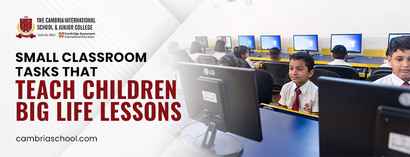
Small Classroom Tasks That Teach Children Big Life Lessons
Education is not limited to textbooks, examinations, and classroom lectures. Children also need practical experiences that help them understand responsibility, teamwork, kindness, discipline, and independence. Interestingly, some of the most meaningful life lessons come from small classroom activities. Simple tasks like arranging books, cleaning desks, helping classmates, watering plants, or distributing notebooks can shape a child’s personality.
These everyday responsibilities encourage children to become more confident and thoughtful individuals. Moreover, classroom activities create opportunities to learn through experience rather than instructions alone. When children participate in small tasks at the nursery schools in Kalyan West, they gradually develop habits that support their personal and academic growth.
Arranging Classroom Books Teaches Responsibility
Asking children to arrange books on shelves may seem like a simple classroom activity. However, it introduces them to the importance of responsibility and organisation. When students take turns arranging books, they learn to care for shared resources. They also understand why keeping things in their proper places matters.
Teachers can make this activity more interesting by assigning different students responsibility for particular shelves. This encourages accountability and helps children understand that everyone has a role in maintaining a comfortable learning environment.
Cleaning Their Desks Encourages Independence
Children should gradually learn to manage their personal belongings without depending entirely on adults. Cleaning their desks is an excellent starting point. Teachers can encourage students to organise their stationery, arrange notebooks, remove unnecessary papers, and keep their study spaces clean.
This small responsibility teaches independence and personal hygiene. Furthermore, children begin to understand that maintaining cleanliness is everyone’s responsibility. These habits can eventually extend beyond school and influence how children organise their belongings at home.
Helping Classmates Builds Empathy
A classroom at the nursery schools in Kalyan West brings together children with different personalities, abilities, and learning speeds. Therefore, helping classmates can become a valuable opportunity to develop empathy. For example, teachers can encourage students to help someone understand a difficult lesson, find a missing notebook, or complete an activity.
Such interactions teach children to recognise other people’s difficulties and offer support without expecting rewards. They also learn that asking for help is perfectly acceptable. Over time, these experiences encourage kindness, cooperation, and stronger friendships.
Distributing Notebooks Develops Leadership Skills
Giving children small classroom responsibilities can introduce them to leadership from an early age. Distributing notebooks, collecting assignments, or arranging classroom materials allows students to take ownership of simple tasks. Teachers can rotate these responsibilities so every child gets an opportunity to participate.
Through these activities, children learn how to follow instructions, communicate clearly, manage responsibilities, and complete assigned work. Most importantly, they understand that leadership is not always about giving directions. It also involves serving others and fulfilling responsibilities sincerely.
Group Activities Teach Teamwork
Teamwork is an essential life skill that children will need throughout their education and professional lives. Teachers can organise small group activities such as creating posters, solving puzzles, building simple models, or preparing classroom presentations. Each child can receive a specific responsibility based on their abilities and interests.
During these activities, students learn to share ideas, listen to different opinions, divide responsibilities, and work towards common goals. They also discover that successful teamwork requires patience, mutual respect, and cooperation.
Watering Classroom Plants Teaches Environmental Responsibility
A few classroom plants can become excellent tools for teaching children about nature and environmental responsibility. Teachers can assign students different days to water plants and check whether they receive sufficient sunlight. Children gradually understand that living things need regular care and attention.
This activity also introduces basic environmental concepts, including plant growth, conservation, and the importance of greenery. Furthermore, looking after plants encourages patience because children must wait and observe as their efforts produce results.
Maintaining a Classroom Calendar Improves Time Management
A classroom calendar is a simple yet effective way to introduce children to time management. Students can take turns updating the date, marking upcoming activities, and noting important classroom events. Teachers can also encourage children to maintain small daily task lists.
These activities help students understand schedules, deadlines, routines, and the importance of completing work on time. As children become familiar with organising their daily activities, they gradually develop better planning habits and time awareness.
Sharing Classroom Supplies Teaches Generosity
Not every child remembers to bring every classroom essential at the top preschools near me. Sometimes, students may need an extra pencil, eraser, ruler, or colour. Teachers can encourage children to share available supplies when someone needs assistance. This simple practice teaches generosity and consideration for others.
However, children should also understand the importance of respecting borrowed belongings and returning them properly. Through these experiences, students learn that sharing is not simply about giving away possessions. It is about creating a supportive environment where everyone feels included.
Participating in Classroom Discussions Builds Confidence
Some children hesitate to express their thoughts because they fear making mistakes or receiving criticism. Small classroom discussions can help them overcome this hesitation. Teachers can ask students to share their opinions about familiar topics, describe their favourite activities, or suggest solutions to simple problems.
Every child should receive an opportunity to speak without feeling judged. These discussions improve communication skills, listening abilities, and self-confidence. They also teach students that different people can have different opinions, and respecting those differences is important.
Taking Responsibility for Classroom Rules Develops Discipline
Classroom rules help children understand boundaries and maintain a positive learning environment. Instead of simply asking students to follow rules, teachers can involve them in creating simple classroom guidelines. For instance, children can suggest rules about taking turns, listening when someone speaks, maintaining cleanliness, and respecting others.
When students participate in creating these guidelines, they are more likely to understand their importance. This activity develops self-discipline, accountability, and respect for shared spaces.
Bottom Line
Small classroom responsibilities at the nursery schools in Kalyan West can create meaningful learning experiences that extend far beyond academic education. Whether children arrange books, help classmates, maintain plants, or participate in group activities, every task offers an opportunity to develop essential life skills. These experiences gradually shape responsible, confident, independent, and compassionate individuals.
A supportive educational environment plays an important role in making such learning experiences part of everyday school life. The Cambria International School believes in creating opportunities that support children’s overall development alongside academic learning. Through a balanced approach to education, we aim to encourage young learners to develop valuable skills, positive attitudes, and the confidence to face future challenges. After all, the smallest classroom lessons can sometimes create the biggest differences in a child’s life.