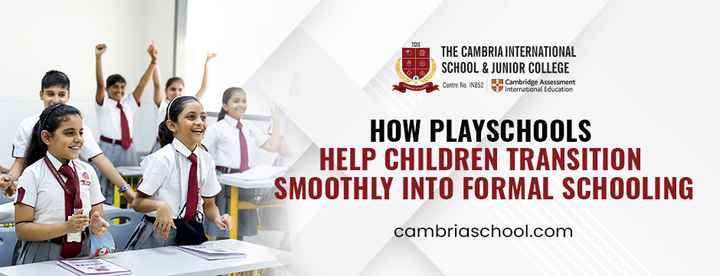
How Do Playschools Help Children Transition Smoothly Into Formal Schooling?
Starting formal school is a major milestone in every child’s life. Moving from the comfort of home into a structured classroom can feel exciting, but it can also bring uncertainty, separation anxiety, and difficulty adjusting to new routines. This is where playschools can make a meaningful difference.
Through play-based learning, social interaction, daily routines, and age-appropriate activities, playschools help children develop the skills they need before entering primary school. In fact, India’s National Education Policy recognises the play schools in Kalyan as part of the Foundational Stage and emphasises school preparedness for a smoother transition into Grade 1.
Familiarising Children With a School Environment
For a child who has spent most of their time at home, entering a formal school can initially feel overwhelming. A playschool provides an opportunity to experience a learning environment before the expectations of primary school begin. Children gradually become familiar with classrooms, teachers, activity areas, learning materials, schedules, and group activities.
This familiarity can make the eventual move to formal schooling feel less unfamiliar. Instead of experiencing school as a completely new environment, children already have an idea of what a classroom looks like and how a school day works.
Developing a Sense of Routine
Formal schools usually follow a structured timetable. Children may need to arrive at a particular time, participate in lessons, eat during designated breaks, follow instructions, and move between activities.
Playschools introduce these concepts gradually through simple daily routines. Children learn when it is time to play, listen, eat, clean up, participate in activities, and go home. This helps them understand that different parts of the day have different expectations. Over time, following a routine can become natural rather than stressful.
Encouraging Social Interaction
One of the biggest changes children experience when they enter formal school is being part of a larger peer group. Playschools give children opportunities to interact with other children through games, storytelling, group projects, music, and creative activities. They learn how to share materials, wait for their turn, communicate their needs, and participate with others.
These experiences support important social skills such as cooperation, empathy, communication, and conflict resolution. Research on school transitions also highlights the importance of helping children make friends, learn routines, and develop a sense of belonging.
Building Independence
A child entering formal schooling needs to gradually become more independent. They may need to carry their school bag, organise basic belongings, eat without constant assistance, follow simple instructions, and complete age-appropriate tasks. The play schools in Kalyan can provide opportunities for children to practise these skills in a supportive environment.
Teachers can encourage children to try tasks themselves rather than immediately doing everything for them. This develops confidence and helps children understand that they are capable of handling small responsibilities.
Developing Communication Skills
Good communication is essential when children enter formal schooling. They need to express their feelings, ask questions, communicate with teachers, and interact with classmates. Playschool activities such as storytelling, rhymes, role play, conversations, and group discussions can encourage children to listen and communicate.
These activities also help expand vocabulary and improve the ability to follow verbal instructions. Early literacy activities, including stories, songs, and picture-book experiences, can provide a foundation for later reading development.
Introducing Foundational Academic Concepts
Playschool is not simply about keeping children occupied. A good early learning programme introduces basic concepts in ways that match a child’s developmental stage. Children may encounter letters, numbers, colours, shapes, patterns, sounds, and simple problem-solving activities. However, these concepts can be introduced through games, stories, puzzles, songs, crafts, and hands-on activities rather than excessive academic pressure.
This approach allows children to develop foundational knowledge while keeping learning enjoyable. UNICEF notes that quality early childhood education supports school readiness and provides a foundation for later learning.
Strengthening Emotional Readiness
Starting school can involve separation from parents or familiar caregivers. Some children may feel nervous, shy, frustrated, or anxious when faced with unfamiliar people and situations. Playschool gives children opportunities to experience short periods away from home in a safe and supportive setting. Teachers can help children recognise and express their emotions while encouraging positive ways of handling new situations.
As children become more comfortable interacting with teachers and classmates, they can gradually develop greater emotional confidence.
Improving Motor Skills
Children need physical skills as well as academic knowledge when preparing for school. Activities such as drawing, colouring, cutting, building, threading, running, jumping, and outdoor games can support fine and gross motor development.
Fine motor activities can help children develop the hand control needed for tasks such as holding pencils, drawing, and eventually writing. Gross motor activities, meanwhile, encourage coordination, balance, movement, and physical confidence.
Encouraging Curiosity and a Love for Learning
Perhaps one of the most important ways playschools prepare children for formal education is by making learning enjoyable. Young children naturally learn by exploring, asking questions, experimenting, observing, and playing. A supportive playschool environment can encourage this curiosity rather than making learning feel like a compulsory task.
When children associate learning with discovery and enjoyment, they may approach their next educational stage with greater enthusiasm. The goal is not to make preschoolers behave like primary-school students. Instead, early learning should provide developmentally appropriate experiences that prepare children for what comes next.
Teaching Children to Follow Instructions
Formal classrooms require children to listen to teachers and follow simple instructions. For a young child, this is a skill that develops gradually. Playschool teachers can introduce instructions through games and everyday activities. Children may learn to put away their toys, sit for story time, follow activity steps, or move from one activity to another when asked.
These small experiences prepare children for classroom expectations without making the process intimidating.
Helping Parents Prepare Their Children
The transition to formal schooling involves parents too. The best preschool near me can provide parents with insights into their child’s development, behaviour, interests, strengths, and areas where additional support may be useful. Parents can then continue similar routines at home. For example, they can encourage independent dressing, reading, simple responsibilities, conversations, and predictable daily schedules.
A strong connection between families and educational settings can make the transition more consistent for children. UNICEF also identifies children’s, families’, and schools’ readiness as important parts of successful school transition.
Making the Transition Less Stressful
Ultimately, playschools act as a bridge between home-based learning and formal education. They introduce children to many aspects of school life gradually, allowing them to develop confidence before academic expectations become more structured.
This does not mean every child will transition at the same pace. Children have different personalities, developmental patterns, and comfort levels. Some may adjust quickly, while others may need more time and reassurance. A nurturing environment can give each child the space to develop at their own pace.
Final Words
The play schools in Kalyan play an important role in preparing children for formal schooling by developing social skills, independence, communication, emotional confidence, motor abilities, foundational academic knowledge, and familiarity with routines. Quality early learning should focus on development through age-appropriate and engaging experiences rather than placing unnecessary academic pressure on young children.
For parents looking for an environment that supports children through these important early years, The Cambria International School can be considered as part of the school-selection process. Its approach to early learning and broader child development can help families explore an educational environment designed to support children as they progress toward formal schooling.