
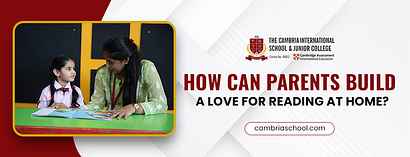
How Can Parents Build a Love for Reading at Home?
Reading is one of the most valuable habits parents can nurture in their children. It helps develop language skills, improves concentration, encourages creativity, and builds curiosity about the world. However, developing a genuine love for reading takes more than asking children to finish books or practise reading every day.
Children are more likely to enjoy books when reading feels fun, comfortable, and connected to their interests. Parents can create this positive experience just like the play schools in Kalyan through simple activities at home, from reading bedtime stories together to exploring colourful picture books. With patience, encouragement, and consistency, families can make reading a natural part of everyday life.
Create a Reading-Friendly Environment
Children are more likely to develop a reading habit when books are easily accessible at home. You do not need an elaborate library or an expensive collection. A small, comfortable reading corner can make a meaningful difference.
Choose a quiet space with good lighting, comfortable cushions, and a bookshelf within your child’s reach. Arrange books according to age, reading ability, and interests. Include picture books, fairy tales, adventure stories, comics, and informative books about animals, space, or nature. Allow your child to choose books independently. When children feel that the reading space belongs to them, they may become more interested in exploring books regularly.
Read Together Every Day
One of the simplest ways to encourage reading is to make it a shared family activity. Set aside 10 to 20 minutes daily to read together. Bedtime, after the play schools in Kalyan, or a quiet weekend morning can work well.
For younger children, read aloud using different voices for characters. Point to pictures, explain unfamiliar words, and encourage them to predict what might happen next. Older children may enjoy taking turns reading paragraphs or discussing interesting parts of a story. Remember that consistency matters more than duration. A short, enjoyable reading session every day can be more effective than a long session that feels like a chore.
Let Children Choose Their Own Books
Every child has different interests. Some enjoy fantasy stories, while others prefer sports, science, mysteries, or real-life adventures. Allowing children to select their own reading material helps them feel involved and motivated. Visit a library or bookstore together and let your child explore different genres. If your child enjoys dinosaurs, for example, introduce books about prehistoric creatures. If they love football, choose age-appropriate biographies, illustrated guides, or sports stories.
Do not dismiss comics, graphic novels, or illustrated books as less valuable. These formats can help reluctant readers develop confidence and gradually explore more complex texts. The goal is to help children discover that reading can be entertaining, informative, and personally meaningful.
Make Reading Fun and Interactive
Reading should feel like an adventure rather than a classroom assignment. Parents can bring stories to life by using expressive voices, making sound effects, or acting out scenes with their children. For example, while reading a story about a forest, you could imitate animal sounds or ask your child to pretend to be a character. After finishing the story, encourage your child to draw a favourite scene or invent a different ending.
You can also ask open-ended questions, such as:
- What do you think will happen next?
- How would you change the ending?
These activities encourage children to think critically, express their ideas, and connect emotionally with stories.
Set a Positive Example
Children often learn by observing their parents. If they regularly see adults reading, they begin to understand that books are a normal and enjoyable part of everyday life. Make time for your own reading. You could read a novel, newspaper, magazine, or informative article while your child reads nearby. Discuss interesting things you discover and show enthusiasm for new information.
For instance, if you read about an unusual animal, share an interesting fact with your child and suggest finding a book about it together. Avoid treating reading as something children must do while adults spend their free time on phones or television. Instead, create moments when the whole family enjoys reading independently or together. Your actions can communicate an important message: reading is not just a school activity but a lifelong source of enjoyment and learning.
Connect Books With Everyday Experiences
Children become more interested in reading when they can connect stories with things they experience in real life. Parents can use everyday activities to show how books relate to the world around them. If your child reads about plants, visit a garden and identify different leaves or flowers. After reading a recipe, invite them to help prepare a simple dish. Similarly, a book about planets could inspire a visit to a science museum or a conversation about the night sky.
These connections make stories more meaningful. They also encourage children to ask questions and explore subjects beyond the pages of a book. You can even introduce practical reading opportunities throughout the day. Ask your child to read shopping lists, simple instructions, signs, or recipes. This helps them understand that reading is a useful skill in everyday life.
Introduce Library Visits and Book Exchanges
Visiting a library at the preschool in Kalyan West introduces children to a wider selection of books without requiring parents to purchase every title. Libraries also provide a calm environment where children can explore different subjects and discover new authors. Make library visits a regular family outing. Allow your child to browse the shelves, select books, and share their discoveries with you.
You can also organise a book exchange with friends, neighbours, or relatives. Each child can bring a few books and exchange them with others. This approach introduces fresh reading material while encouraging children to discuss stories with their peers. Additionally, consider participating in age-appropriate reading clubs or storytelling sessions. Such activities can help children develop social confidence and discover that reading is enjoyable beyond the home.
Encourage Reading Without Pressure
Not every child develops an interest in reading at the same pace. Some children become independent readers early, while others need additional encouragement and time. Avoid comparing your child’s reading abilities with those of siblings or classmates. Similarly, do not criticise mistakes or force children to finish books they dislike.
Instead, recognise small achievements. Praise your child for learning a new word, finishing a chapter, or choosing to read independently. If a book feels too difficult, select something simpler or read together until your child feels more confident. For reluctant readers, try audiobooks, illustrated stories, short articles, or books based on favourite films and characters. These alternatives can help build interest without creating unnecessary pressure. If reading difficulties persist despite regular practice, speak with your child’s teacher to identify suitable support.
Balance Screen Time With Reading Time
Digital devices compete for children’s attention, but technology can also support reading when used thoughtfully. The goal is not to eliminate screens completely but to establish healthy habits. Introduce digital libraries, age-appropriate e-books, and interactive storytelling applications. These options may appeal to children who enjoy technology and encourage them to explore different types of reading material.
However, establish clear boundaries around recreational screen time. For example, set aside a specific period each evening for reading before watching television or playing video games. Keep phones and other distractions away during shared reading sessions. This helps children focus on the story and enjoy meaningful time with their families. Whenever possible, combine digital and printed materials. A child might read an illustrated book about space and then explore a related educational video with parental guidance.
Make Reading a Family Tradition
The strongest reading habits often develop through repeated, enjoyable experiences. Creating family traditions can help children associate books with comfort, connection, and happy memories. You could introduce a weekly family reading hour, a bedtime story ritual, or a monthly book selection day. During holidays, choose stories related to festivals, travel, or cultural traditions.
Another idea is to create a family reading journal. Children can record the books they finish, draw their favourite characters, or write a few sentences about what they learned. Let children share their opinions without turning every discussion into a test. Ask what they enjoyed, what surprised them, or whether they would recommend the book to someone else. Over time, these simple traditions can help children develop independence, imagination, vocabulary, and a lasting appreciation for literature.
Final Thoughts
Building a love for reading at home begins with small, consistent steps. Parents can encourage this habit by creating inviting reading spaces, sharing stories, allowing children to choose their books, and making reading an enjoyable family activity. Most importantly, children need patience, encouragement, and positive examples rather than pressure or comparisons.
The play schools in Kalyan also play an important role in nurturing curiosity, language development, and independent learning. For parents seeking an educational environment that supports their child’s overall development, The Cambria International School is worth exploring. By working together, families and educators can help children discover the joy of reading and develop a foundation for lifelong learning.