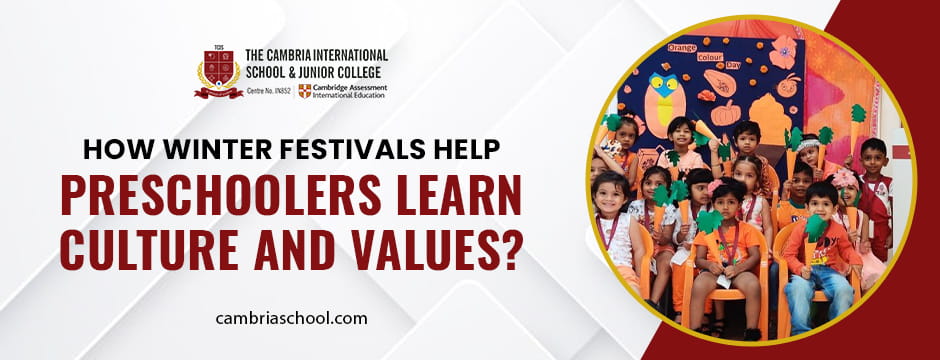
How Winter Festivals Help Preschoolers Learn Culture and Values?
Winter holds a magical charm for children. The sparkle of lights, the crisp chill in the air, and the buzz of festive activities bring a change in rhythm to the school year. For preschoolers — the youngest learners in the classroom — winter festivals are more than just fun and excitement; they are powerful teachable moments. At this early stage of development, children are actively absorbing the world around them and forming foundational ideas about people, traditions, and values. Winter festivals provide a unique blend of sensory experiences, cultural diversity, and opportunities for social growth that can enrich their cognitive, emotional, and moral development.
While academic learning (like numbers and letters) at the play schools in Kalyan is essential, preschool education is equally about building awareness of others and nurturing empathy and respect. Winter festivals — whether it’s Diwali lights being celebrated in classrooms, Christmas carols sung with joy, or Lohri bonfires bringing warmth and togetherness — all offer diverse lenses into cultural traditions and human values. When students participate in storytelling, crafts, music, and communal celebrations, they naturally begin to understand inclusion, gratitude, cooperation, and respect for different beliefs. In this blog, we’ll explore how winter festivals help preschoolers learn culture and values, shaping compassionate, curious citizens of tomorrow.
Understanding Culture Through Celebration
Winter festivals are often rich narratives of cultural history and tradition. For preschoolers, these celebrations act as accessible introductions to the world’s diverse ways of life. They offer a window into customs passed down over generations, giving young learners a sense of continuity and connection.
Festivals as Cultural Stories
Every winter festival carries stories — ancient myths, historical events, or symbolic traditions. For example:
- Christmas centres around the spirit of giving and togetherness.
- Hanukkah teaches resilience and the miracle of light.
- Diwali symbolises the triumph of light over darkness.
- Lohri marks harvest and community warmth in chilly months.
When preschool teachers weave these stories into learning activities, children gain more than factual knowledge. They connect emotionally to the meaning behind the customs, fostering curiosity and appreciation for cultural diversity. Storytelling engages language skills while planting seeds of cross-cultural understanding early in life.
Empathy Through Cultural Awareness
Learning about festivals from various communities subtly teaches empathy. Preschoolers naturally ask questions like “Why do we light candles?” or “What song are we singing?” These questions spark dialogues about different traditions, encouraging children to appreciate that people around them may celebrate differently — yet all find joy and meaning. Such early exposure reduces bias and nurtures openness, laying the groundwork for inclusive worldviews.
Building Social Values Through Group Participation
Winter festivals provide group activities that build key social skills and values. Preschool classrooms become mini-communities where children learn to share experiences, make decisions together, and celebrate as one.
Cooperative Play and Teamwork
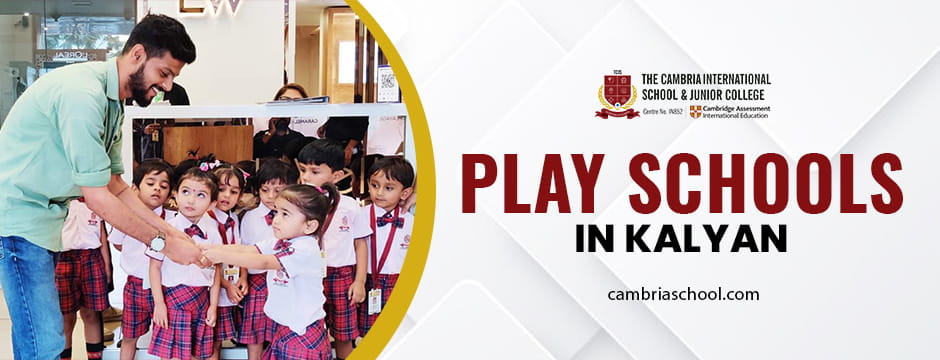
Whether decorating a classroom tree, making rangoli patterns, or preparing a simple skit, festival activities require teamwork. During these collaborative tasks, children at the play schools in Kalyan learn:
- How to listen to others
- How to take turns
- How to contribute ideas
- How to help classmates
These skills feed directly into core values such as cooperation, patience, and mutual respect. Preschoolers learn that group success happens when everyone participates and supports one another.
Expressing and Regulating Emotions
Winter celebrations often stir strong emotions — excitement for lights and gifts, anticipation for performances, pride in creative work, and joy in music and dance. In teacher-guided settings, children learn to express these feelings appropriately, take pride in shared accomplishments, and show sensitivity when others feel differently. This emotional intelligence — the ability to understand and manage emotions in oneself and others — is a critical life skill nurtured through shared festive experiences.
Cognitive Growth Through Multisensory Learning
Winter festivals naturally blend visual, auditory, and kinesthetic experiences. These multisensory environments stimulate young minds in ways that textbooks alone cannot.
Language and Communication
Songs, stories, and festival vocabulary enhance language development. Singing seasonal rhymes, learning greetings like “Happy Diwali” or “Merry Christmas,” and discussing festival symbols enrich vocabulary and conversational skills. Children practice pronunciation, engage in dialogues, and express their thoughts, all while exploring cultural meaning.
Creative Arts and Symbolism
Arts and crafts are central to winter celebrations — from making paper lanterns to crafting snowflake designs. Such activities:
- Enhance fine motor skills
- Encourage creative expression
- Teach symbolic representation
When a child makes a menorah or decorates candles, they’re not just using scissors and colours; they are connecting symbols to real traditions, strengthening memory and conceptual links.
Sensory Experiences
Sounds of bells, twinkling lights, the smell of seasonal foods, and the feel of craft materials create memorable sensory experiences. Young learners thrive in such environments, where exploration is tied to their senses. This makes learning more meaningful and lasting.
Values Embedded in Winter Festival Traditions
Beyond cultural awareness and social skills, winter festivals are rich with embedded human values. These celebrations become tools for teaching ethical and emotional principles.
Gratitude and Generosity
Many winter festivals focus on giving and gratitude. Whether it’s giving gifts, sharing sweets, or expressing thanks, preschoolers experience firsthand the joy of generosity and appreciation. Teachers can integrate activities like “thankful trees” or “kindness cards” to reinforce these values.
Respect and Inclusion
Celebrating multiple traditions in a classroom context teaches respect for others’ beliefs. When children sing songs from various cultures, hear different stories, and join in diverse dances, they see that every tradition brings something beautiful. This nurtures respect for individual differences and helps create a culture of inclusion — a crucial value in today’s interconnected world.
Hope and Resilience
Winter often follows months of cold and dormancy. Festivals of light and warmth — from Diwali to Christmas — bring powerful metaphors of hope and renewal. Through rituals of lighting lamps or candles, preschool in Kalyan learn about the human spirit’s resilience, even amidst darkness. Such symbolic lessons can be surprisingly profound for young minds.
Practical Ways Teachers Can Leverage Winter Festivals
To maximise the learning impact of winter festivals, educators can incorporate intentional activities such as:
- Story circles that explore the origin and meaning of traditions
- Inclusive craft projects celebrating multiple festivals
- Group music and dance that invite participation from every child
- Reflection moments where children share what they feel and learn
- Family involvement through take-home activities that connect classroom learning to home traditions
By intentionally linking festival activities to cognitive, social, and emotional goals, teachers help children grow holistically.
End Words
Winter festivals are more than seasonal celebrations; they are vibrant learning platforms. For preschoolers, these festivals provide rich opportunities to explore culture, build social skills, and internalise values like empathy, gratitude, respect, and resilience. Through storytelling, music, crafts, and shared experiences, young learners gain insights that serve them long beyond the classroom walls. Early childhood education that thoughtfully includes winter festival learning nurtures curious, compassionate, and culturally aware children ready to engage with the world.
If you are seeking a nurturing environment where young children are encouraged to explore, celebrate diversity, and learn values through joyful experiences, consider The Cambria International School. Our play schools in Kalyan are designed to make learning holistic, inclusive, and deeply meaningful, helping children thrive academically and socially in a multicultural world.