Why Learning to Ask Questions Matters More Than Getting Answers?
In a world overflowing with instant information, answers are everywhere. A quick search can solve a maths problem, explain a scientific concept, or define a difficult word in seconds. While this accessibility is powerful, it also presents a subtle challenge—when answers are always available, the habit of asking meaningful questions can quietly fade. Yet, the ability to ask thoughtful, curious, and well-structured questions is far more important than simply knowing the right answers.
Questions are the starting point of all learning. They reflect curiosity, critical thinking, and the desire to understand the world more deeply. When children at the best preschool learn how to ask questions, they develop skills that go beyond academics—problem-solving, creativity, communication, and emotional intelligence. Asking questions encourages exploration, discussion, and discovery rather than passive memorisation.
Questions Spark Curiosity and a Love for Learning
Curiosity is the engine of lifelong learning, and questions are its fuel. When learners ask questions, they take ownership of their education. Instead of waiting for information to be delivered, they actively seek understanding. This process transforms learning from a task into an adventure.
Children who are encouraged to ask questions learn that curiosity is valued. They feel safe expressing confusion, wonder, and excitement. Over time, this openness builds intrinsic motivation—the desire to learn for the joy of discovery, not just for grades or approval.
Asking Questions Builds Critical Thinking Skills
Answers can be memorised, but questions require thinking. When students ask questions, they analyse information, identify gaps in understanding, and evaluate ideas. These are the foundations of critical thinking.
For example, asking “Why does this solution work?” pushes learners to go beyond surface-level knowledge. They learn to connect concepts, challenge assumptions, and develop logical reasoning—skills that are essential in academics and real-life decision-making.
Better Questions Lead to Deeper Understanding
Getting the right answer does not always mean true understanding. A student at the best preschool might correctly solve a problem without fully grasping the concept behind it. Questions help bridge this gap.
When learners ask clarifying questions, they uncover nuances and relationships between ideas. This depth of understanding leads to better retention and the ability to apply knowledge in new situations. In contrast, rote answers often fade quickly because they lack meaningful context.
Questioning Encourages Creativity and Innovation
Every innovation begins with a question. “What if?” “Why not?” and “How can this be improved?” are the seeds of creativity. When children learn to ask open-ended questions, they start thinking beyond conventional boundaries.
This mindset is crucial in a rapidly changing world where future challenges may not have predefined answers. Teaching learners to question empowers them to imagine possibilities, experiment with ideas, and develop original solutions.
Communication and Confidence Grow Through Questions
Asking questions is a form of communication. It teaches learners how to express thoughts clearly, listen actively, and engage in dialogue. Over time, this builds confidence—especially when children see that their questions are respected and valued.
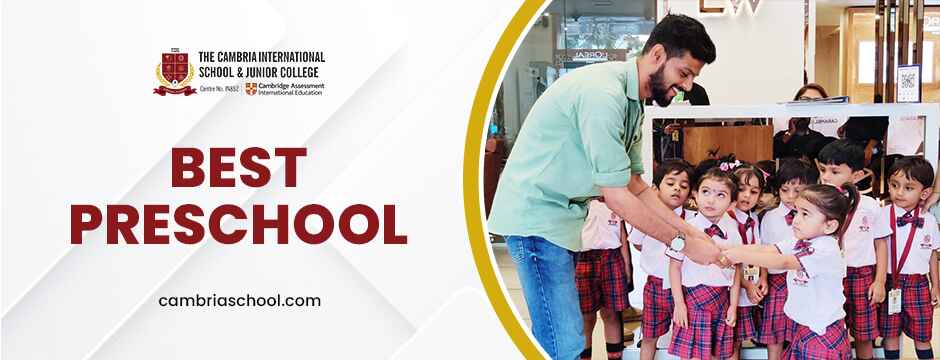
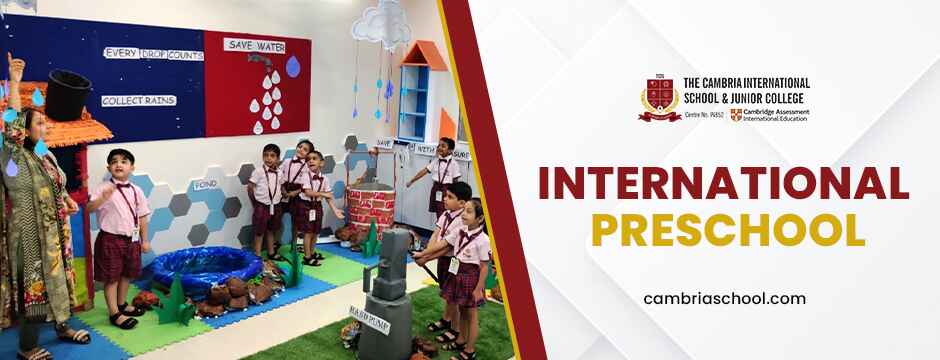
In classroom discussion at the international preschool, question-asking encourages collaboration. Students learn from each other’s perspectives and realise that learning is a shared journey, not a competition for correct answers.
Emotional Intelligence Starts with Self-Questioning
Questions are not only academic—they are personal. “Why did this situation upset me?” They develop emotional awareness.
This self-reflection builds empathy, resilience, and self-regulation. Learners become better equipped to handle challenges, understand others, and navigate social situations thoughtfully.
Preparing Learners for a Complex Future
The future demands adaptability, not memorisation. Many of tomorrow’s careers will require problem-solving in uncertain situations. Those who can ask the right questions will be better prepared to learn new skills, adapt to change, and make informed decisions.
Teaching students how to think rather than what to think ensures they remain learners for life. The habit of questioning becomes a compass, guiding them through complexity with curiosity and confidence.
The Role of Educators and Schools
Educators play a key role by welcoming curiosity, avoiding judgment, and modelling thoughtful questioning themselves. When mistakes are treated as learning opportunities, students feel safe to explore ideas without fear.
Inquiry-based classrooms shift the focus from teacher-led answers to student-driven exploration. This approach nurtures independent thinkers who are confident in their ability to learn.
End Words
Learning to ask questions matters more than getting answers because questions ignite curiosity, deepen understanding, and build essential life skills. Answers may solve immediate problems, but questions shape how learners think, grow, and engage with the world. By encouraging children to question, explore, and reflect, the best preschool prepare them not just for exams, but for life.
Schools that prioritise curiosity-driven learning help students become confident thinkers, creative problem-solvers, and empathetic individuals. The Cambria International School embraces this philosophy by fostering an environment where curiosity is celebrated, questions are encouraged, and learning is an active, joyful process.