Healthy Bodies, Strong Minds: Prioritising Physical Development in Education
In today’s fast-paced digital world, children are growing up surrounded by screens, packed schedules, and limited opportunities for free physical play. As a result, many educators and parents have begun to recognise a crucial truth: physical development is not just a supplement to academic learning—it is an essential pillar of a child’s overall growth. Schools that prioritise movement, structured physical development programs, and active learning environments often see students who are more confident, focused, emotionally balanced, and socially capable.
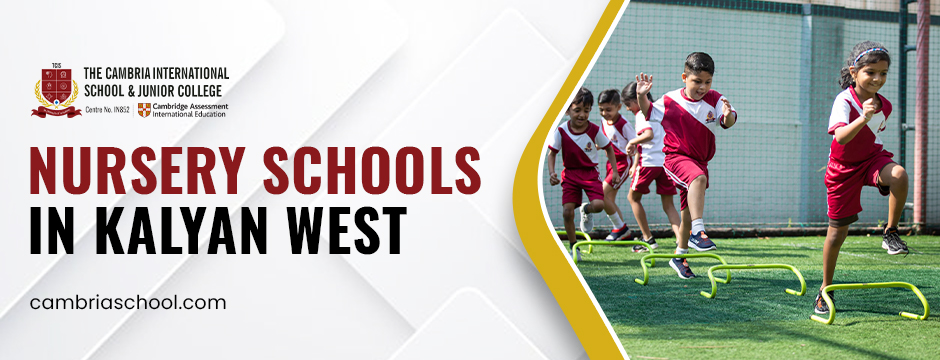
Physical development in nursery schools in Kalyan West goes far beyond sports days or occasional PE classes. It includes fostering motor skills, promoting healthy habits, encouraging teamwork, and supporting mental well-being through daily movement. Research continues to show that physical activity directly enhances cognitive functioning, memory retention, and classroom performance. When children move, they learn better. This holistic approach to education acknowledges that a healthy body fuels a strong mind. It empowers students to build discipline, resilience, coordination, and positive self-esteem—skills that benefit them throughout life.
Why Physical Development Matters in Education?
Physical development in education is about creating a strong foundation for lifelong health, confidence, and cognitive ability. When schools integrate physical activities into the routine, students experience improvements across multiple areas—not just physically, but mentally and academically as well.
Enhances Cognitive Function and Academic Performance
Movement stimulates brain function. Studies show that physical activity increases blood flow to the brain, leading to better concentration, memory, and problem-solving skills. Physically active children often demonstrate:
- Improved attention span
- Better retention of lessons
- Faster information processing
- Increased creativity and engagement
Regular physical exercise creates an environment where learning becomes more dynamic, effective, and enjoyable.
Builds Emotional Resilience and Mental Well-Being
Physical activity at nursery schools in Kalyan West releases endorphins—the body’s natural “feel-good” hormones—helping children manage stress and anxiety. In a world where childhood stress and academic pressure are rising, movement serves as a powerful emotional regulator. Activities like yoga, dance, and team sports teach children:
- Self-discipline
- Emotional balance
- Confidence in their abilities
- Coping strategies through physical expression
This emotional strength supports overall mental wellness and empowers students to face challenges with a positive mindset.
Strengthens Social Skills and Teamwork
Physical development programs often involve group activities that require communication, cooperation, and leadership. Through play and sports, children learn to:
- Share and collaborate
- Handle competition gracefully
- Resolve conflicts
- Develop empathy for peers
Such social skills are critical for success in school, relationships, and future workplaces. Physical development helps children understand themselves and others through real-world interaction.
Encourages Healthy Habits That Last a Lifetime
Educating children about physical fitness early on instils habits that remain with them into adulthood. Schools near Kalyan West that encourage daily movement foster values such as:
- Regular exercise
- Balanced nutrition
- Personal hygiene
- Staying active and reducing screen time
These habits not only prevent childhood obesity and related health issues but also set the stage for long-term physical wellness.
Key Elements of a Strong Physical Development Program
A comprehensive physical development program should be carefully designed to support different age groups and abilities. The following elements play a key role in building a well-rounded framework:
Structured Physical Education Classes
PE classes should focus not only on sports but also on motor skills, balance, flexibility, and coordination. A balanced curriculum ensures students of all fitness levels feel included.
Integrated Movement Throughout the Day
Short movement breaks, stretching sessions, or active learning strategies help reduce fatigue and improve focus. Even five minutes of physical activity can reset the brain for better learning.
Extracurricular Sports and Clubs
Offering diverse sports—such as swimming, football, athletics, dance, or gymnastics—allows students to explore their interests and develop specialised skills.
Safe and Stimulating Play Areas
Outdoor spaces, playgrounds, and indoor activity zones promote natural movement, imaginative play, and physical exploration. These environments spark creativity and help children develop agility and spatial awareness.
Programs for Motor Skill Development
Early childhood education should emphasise fundamental motor skills like jumping, running, catching, balancing, and fine motor control. These abilities help children excel in both physical and academic tasks.
Inclusive Activities for All Abilities
Physical development should be accessible to every child, regardless of skill level or physical condition. Adaptive sports and personalised activities ensure all students participate without barriers.
The Long-Term Impact of Prioritising Physical Development
When the best preschool in Kalyan makes physical development a core academic priority, the benefits extend far beyond the classroom. Over time, students develop:
Stronger bodies
Improved stamina, coordination, and overall health.
Stronger minds
Enhanced cognitive functioning and academic success.
Stronger character
Discipline, resilience, confidence, leadership, and empathy.
Together, these elements create well-rounded individuals who are better prepared for higher education, careers, and life challenges.
Wrapping Up
Prioritising physical development in nursery schools in Kalyan West is not simply an enhancement—it is a necessity. When children move more, they feel better, think better, socialise better, and perform better academically. Schools that integrate physical wellness into their daily curriculum build stronger individuals who carry healthy habits and emotional resilience into adulthood.
If you’re a parent looking for an institution that truly values the connection between physical development and academic excellence, consider exploring what modern, holistic schools have to offer. One such option is The Cambria International School, where learning goes hand in hand with overall well-being.