

How Schools Can Support Children Who Feel Overstimulated?
In today’s fast-paced and sensory-rich world, many children—especially those who are neurodivergent, sensitive, or easily overwhelmed—struggle with overstimulation in school environments. Overstimulation isn’t just about noise; it’s a complex interplay of sensory, emotional, and cognitive overload. For some children, it may be the sound of fluorescent lights, for others, it might be crowded hallways, unexpected schedule changes, or the pressure to perform academically and socially. When overstimulation becomes frequent or intense, it can hinder a child’s ability to learn, interact, and feel safe.
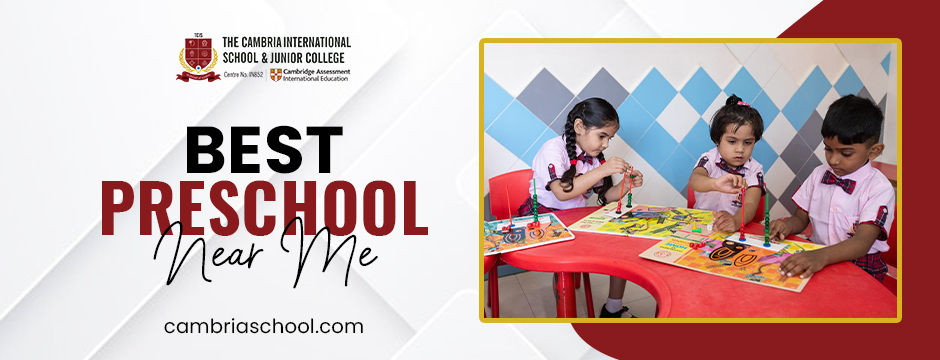
The Best Preschool near me are more than academic institutions—they are environments where children grow socially, emotionally, and cognitively. If a child feels overwhelmed, their school experience can quickly shift from empowering to exhausting. Recognising and addressing overstimulation isn’t an optional add-on to education; it’s a necessity for nurturing healthy, engaged learners. This blog explores concrete, evidence-informed ways schools can support children who feel overstimulated.
Understanding Overstimulation in Schools
Overstimulation happens when a child’s sensory or emotional threshold is exceeded. In a school setting, stimuli can come from multiple sources:
- Auditory: loud classrooms, echoing hallways, fire drills
- Visual: bright lights, crowded bulletin boards, rapid transitions
- Social: group work, unstructured lunch/recess periods, peer pressure
- Cognitive: rapid pacing of lessons, high expectations, multitasking demands
For children with conditions such as autism, ADHD, sensory processing challenges, anxiety disorders, or even those without a formal diagnosis but with heightened sensitivity, these stimuli can accumulate quickly. What may seem like “normal” classroom energy can feel chaotic and overwhelming from their perspective.
The impact of persistent overstimulation includes irritability, shutdowns, avoidance, anxiety, and reduced ability to focus—making academic learning and social engagement difficult. Educators must understand not just the signs of overstimulation, but also how to respond in ways that empower children and prevent escalation.
Creating Sensory-Friendly Physical Environments
One of the most practical ways schools can support overstimulated children is through the intentional design of physical spaces.
Quiet Zones and Calm Corners
Designate low-stimulus areas where students can take brief breaks when overwhelmed. These spaces should be:
- Away from high-traffic areas
- Softly lit, with minimal visual clutter
- Equipped with comforting seating, noise-reducing headphones, or sensory tools
These spaces help children self-regulate without feeling singled out or punished.
Classroom Adaptations
Simple environmental tweaks can make big differences:
- Switch to warm, natural lighting where possible
- Use room dividers to create smaller visual fields
- Position desks to reduce distractions
- Offer noise buffers such as rugs, curtains, and acoustic panels
Students should have options: some may prefer a desk near the window with fewer distractions; others may want a corner with tactile tools to support focus.
Sensory Tools and Supports
Provide access to sensory supports such as:
- Fidget tools
- Weighted lap pads
- Stress balls
- Headphones for loud environments
Importantly, students should be able to use these tools as needed, without stigma.
Structuring Routines and Predictability
Children who feel overstimulated often thrive on predictability. Uncertainty can trigger anxiety that compounds sensory stress.
Visual Schedules
Visual schedules help students anticipate what comes next during the school day. These can be:
- Simple picture schedules
- Written timelines
- Digital boards with icons and colours
When students can see the flow of the day, transitions become smoother.
Routine Briefings
Start each day at the Best Preschool near me with a brief overview. Teachers can say:
“Today we’ll start with math, then reading, then a special activity.”
This kind of structured preview gives students control over their expectations.
Consistent Transitions
Transitions—moving from one activity to another—are a common source of overwhelm.
Helpful strategies include:
- Use of signals (e.g., music, timers) to prepare students for change
- Clear verbal cues like “Two minutes until cleanup”
- Transitional checklists that students can follow
Predictability reduces friction and supports a steady rhythm.
Empowering Teachers Through Awareness and Training
Professional Development
Schools should invest in training that helps educators understand:
- Sensory processing differences
- Behavioural warning signs of overstimulation
- Strategies for supportive de-escalation
Empathy and knowledge go hand in hand.
Responsive Teaching Strategies
Instead of seeing symptoms as “misbehaviour,” teachers can reinterpret behaviours as messages. For example:
- A student covering their ears → may need a quieter space
- A student fidgeting excessively → may need sensory input
Teachers trained in trauma-informed practices and positive behaviour support are better equipped to respond helpfully.
Flexible Instructional Methods
Not every child learns best in whole group settings. Offer options like:
- Small group instruction
- Choice boards for activities
- Independent workstations
Flexibility honours individual needs while maintaining academic standards.
Partnering With Families and Professionals
Supporting overstimulated children isn’t a school-only responsibility—it’s a partnership.
Regular Communication With Parents/Caregivers
Families can share insights about what helps their child regulate at home. Regular check-ins—whether through notes, apps, or meetings—ensure consistency between environments.
Collaborative Support Plans
For students who struggle significantly, schools can develop personalised support plans, such as:
- Individualised Education Programs (IEPs)
- 504 Plans (in U.S. contexts)
- Sensory diets designed with occupational therapists
These plans outline accommodations that level the playing field.
Involving Specialists
When warranted, involve professionals such as:
- Occupational therapists
- School psychologists
- Behavior specialists
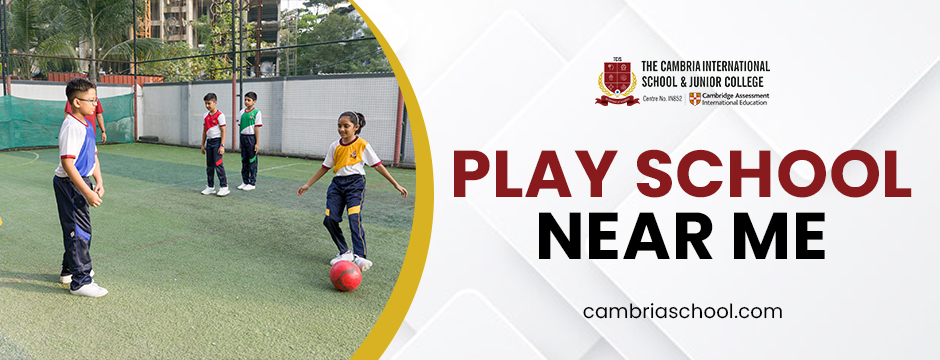
Their expertise at the Play School near me can fine-tune strategies and ensure interventions are tailored and effective.
Fostering Emotional Skills and Self-Advocacy
Beyond environmental and instructional supports, schools must help students develop skills to manage stress and sensory overwhelm.
Teach Self-Regulation Strategies
School can be a place where children learn:
- Deep-breathing exercises
- Mindfulness and grounding techniques
- Emotion labelling and expression
These tools become lifelong supports.
Encourage Peer Support and Understanding
When the whole class understands that everyone has different needs, inclusion improves. Class discussions about diversity, respect, and teamwork promote empathy.
Empower Self-Advocacy
Older students can be taught to:
- Recognise early signs of overwhelm
- Request breaks
- Choose supports that work for them
Self-advocacy builds confidence and autonomy.
Bottom Line
Feeling overstimulated can be one of the most challenging experiences for a child in a busy school environment. But with intentional strategies—sensory-friendly spaces, predictable routines, teacher training, family partnerships, and emotional learning—the Best Preschool near me can transform from overwhelming places into supportive hubs of growth.
For families and educators seeking environments where sensitivity is honoured and supported, The Cambria International School offers an educational approach tailored to individual needs, helping children flourish academically and emotionally in settings that emphasise empathy, structure, and strength-based growth. Visitus to learn more about our programs and supportive learning communities.